Shared parking
Multi-Family and HOA EV Charging in Santa Clara
Condo, apartment and HOA charging designed so the building's service holds and every kilowatt bills to the right unit, from Rivermark to the Agnew townhome tracts.
The Two Problems Nobody Mentions Until Later
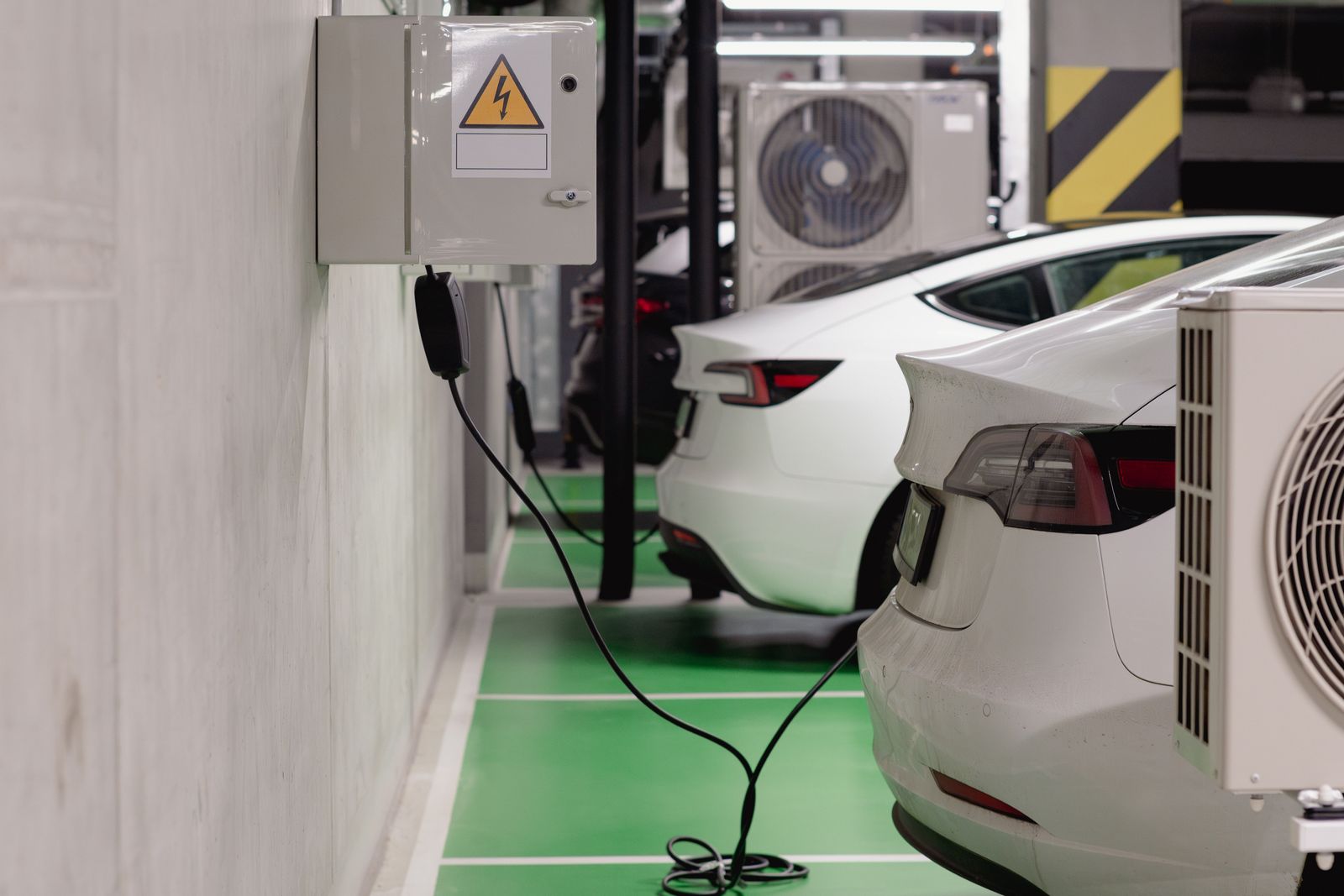
Multi-family and HOA EV charging in Santa Clara fails for two predictable reasons, and both are solvable at design stage. The first is capacity: a building sized decades ago cannot give every stall a 40-amp circuit, and the moment the third resident installs a charger the service starts complaining. The second is billing, because charging drawn from a house meter lands on everyone's dues, which is the fastest way to turn a popular amenity into a contentious one. Santa Clara EV Charger Installation designs around both from the start, with load sharing that fits the capacity you have and metering that attributes every kilowatt-hour to the resident who used it. We are also comfortable standing in front of a board and explaining it, which is usually where these projects actually stall.
What a Multi-Family Charging Design Covers
Residential shared-parking work has its own checklist. Here is ours.
- 01
A capacity assessment on the building's service
What the house panel can spare, what the individual unit panels can spare, and which of those two routes makes more sense for your property.
- 02
Load-shared circuit design across the stalls
Intelligent sharing lets a group of chargers live within a fixed capacity envelope, stepping each unit's draw down when several are in use. Residents charge overnight and rarely notice.
- 03
Individual metering so the right resident pays
Each stall's consumption is attributed to its unit, either through networked station reporting or dedicated metering, so charging never lands on the association's common bill.
- 04
A phased layout that accommodates future stalls
Conduit and panel capacity sized for the adoption curve rather than today's two interested owners, which spares you a second construction project.
- 05
Board and ownership documentation
A written scope, a layout drawing and a cost breakdown in a form a board can actually vote on, plus attendance at the meeting if that helps it along.
- 06
California right-to-charge compliance
State law gives condo and apartment residents specific rights to install charging, and associations have corresponding obligations. The design is built to satisfy both rather than to argue with either.
- 07
Dedicated sub-panel for the charging group
Keeps the charging load separate from house loads, which simplifies metering, maintenance and anything you add later.
- 08
Conduit routing through structures and garages
Core drilling, fire-stopping where penetrations require it, and routing planned so the installation looks deliberate rather than improvised.
- 09
Stall signage, protection and allocation
Bollards or wheel stops where the layout needs them, clear stall marking, and a straightforward allocation scheme.
- 10
City of Santa Clara permits, inspections and resident handover
All permits filed and inspections attended, then each resident shown how their station and their billing works.
From First Enquiry to Energised Stalls
Three stages, built so the board sees real numbers before anyone is asked to vote.
- 1
Site assessment and capacity reality check
We look at the house panel, the unit panels and the parking structure, then tell you how many stalls the building supports with load sharing and what it would take to go beyond that. This is the conversation that sets realistic expectations before a board hears any numbers.
- 2
Design, documentation and approval
You receive a layout, a metering approach and a written price in a format suitable for a board vote. We will present it at the meeting and answer questions directly, which tends to move approval along considerably faster than a forwarded PDF.
- 3
Phased installation and handover
Work is staged so parking disruption stays minimal. Stations are installed, the load-sharing group is configured, metering is verified against actual sessions, and each participating resident is walked through their access and billing.
Why Metering Decides Whether This Succeeds
Billing is designed in, not bolted on
An amenity that quietly raises everyone's dues generates complaints within a quarter. Attributing consumption correctly from day one removes the argument entirely.
We will present to your board
Most of the delay in HOA charging projects is explanation, not construction. Having the person who designed the system answer the questions in the room is usually what unlocks the vote.
Designed for adoption, not for today
Two residents want charging now and six will want it within three years. Sizing the conduit and the sub-panel for that curve costs little now and saves a second project later.
- Licensed C-10 Electrical Contractor
- EVITP-Certified Installers
- Load-Shared and Metered Designs
- California Right-to-Charge Compliant
- Bonded and Insured
- Permits and Inspections Included
Bring Charging to Your Community
Whether you are a resident trying to get a stall approved or a board trying to do this properly for everyone, the starting point is the same: a capacity assessment and a design your building can actually support. We will put it in writing and present it if that helps.
C-10 licensed · EVITP-certified · Permit, inspection and workmanship warranty included in the quoted price.