Level 2 charging
Level 2 EV Charger Installation in Santa Clara
The 240-volt home charging circuit, wired to code and inspected, from the Old Quad to the Rivermark townhomes off Montague Expressway.
What Level 2 Charging Actually Changes
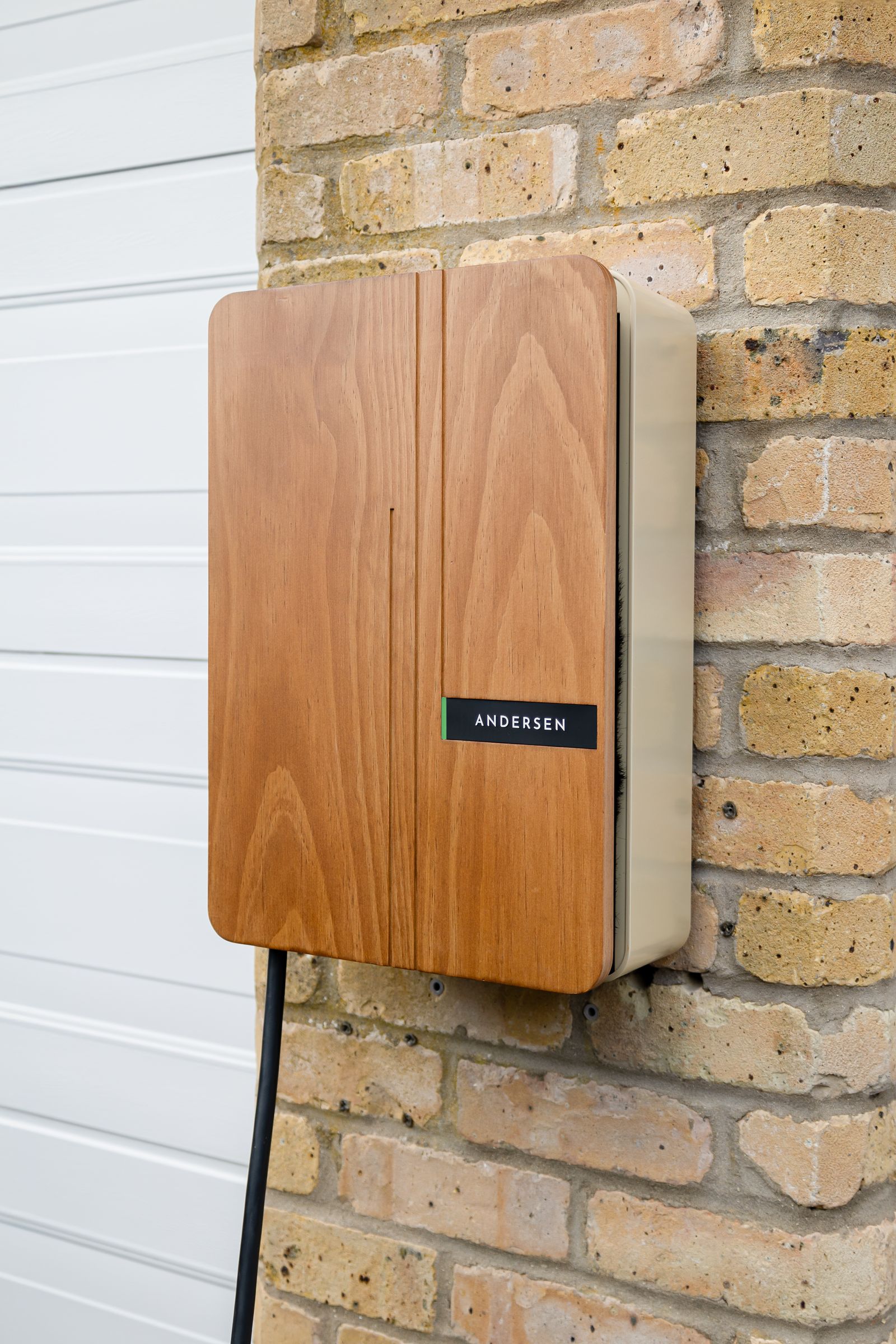
Level 2 EV charger installation in Santa Clara is the service that turns a car you have to think about into one you do not. A standard household outlet trickles a few miles of range an hour; a 240-volt Level 2 circuit delivers roughly 20 to 40, which means a car that arrives home empty leaves full. Most people reach us within a week or two of taking delivery, usually after discovering that the mobile cord supplied with the vehicle is not going to keep up with a Silicon Valley commute. The visit itself starts at your service panel rather than at the wall where you want the charger, because the panel decides what is possible. Santa Clara EV Charger Installation runs a real load calculation against your existing service, measures the conduit route, and gives you one written price before anything is drilled. If the panel cannot carry it, you hear that on the first visit, not on the third.
Everything Covered in a Level 2 Install
A Level 2 install is more than hanging a box on a wall. Here is what the price covers.
- 01
A real load calculation on your existing service
We add up the connected load against the panel rating rather than guessing from the sticker, so the circuit we propose is one the house can genuinely carry alongside the range, dryer and air conditioning.
- 02
Charger placement planned around how you actually park
We walk the garage or driveway with you, check which side of the car the port sits on, and position the unit so the cable reaches without stretching across a walkway.
- 03
A dedicated 240-volt circuit sized to the unit
Conductors are sized for continuous duty at 125 percent of the charger's rated draw, which is what stops the nuisance tripping that plagues undersized DIY installs.
- 04
The correct two-pole breaker, installed in the panel
We fit a breaker matched to the manufacturer and model of your load centre rather than a generic substitute, which keeps the panel listing intact.
- 05
Conduit and conductor routing, surfaced or concealed
Garage walls usually take surface-mounted EMT, which is quick and inspectable. Runs through finished living space get fished and patched, and the quote says which you are getting.
- 06
Ground-fault protection where code requires it
Receptacle-fed and outdoor installations have specific protection requirements, and we apply the one that fits your configuration rather than the one that is cheapest.
- 07
Mounting at a working height on solid backing
The unit is anchored into studs or a mounted backer board, set at a height that keeps the connector off the floor and the cable manageable.
- 08
City of Santa Clara electrical permit, filed and scheduled
We pull the permit, book the inspection slot, and meet the inspector on site so you do not take a morning off work for it.
- 09
Commissioning and a live charge test
Before we leave, the unit is energised, the amperage is set to match the circuit, the app or network connection is confirmed, and we watch the car actually draw power.
- 10
Silicon Valley Power rebate documentation, prepared
Santa Clara's municipal utility runs its own programme, and we hand you the completed paperwork rather than a web address.
Three Steps From Call to Charging
From the first phone call to the signed-off inspection, the process runs the same way every time.
- 1
The call and the free assessment
You describe the car, the panel location and where you park, and we book the assessment. On site we open the panel, run the load calculation, measure the route and photograph what matters. It takes under an hour, and you are not committed to anything at the end of it.
- 2
The written price and the permit
You get one flat figure covering labour, materials, the permit fee and the inspection, with the charger model and circuit size named on the sheet. Nothing moves after you sign it. Once you approve, we file the electrical permit with the City of Santa Clara and put you on the calendar, usually within the same week.
- 3
Install day and inspection
Most Level 2 installs are a half-day. We isolate the panel, land the new circuit, run the conduit, mount and terminate the unit, then energise and test it with your car plugged in. The inspector visits afterwards, we meet them, and you get the signed-off record for your file.
Why This Install Goes Right the First Time
We read Santa Clara panels for a living
The city's mid-century ranch stock and its newer Rivermark and Mission College townhomes present two completely different starting points. Knowing which one you are before we arrive is why the quote usually holds.
The amperage gets set, not left at default
A charger shipped at 48 amps on a 40-amp circuit will trip, and a charger left at 16 amps on a 50-amp circuit wastes the install. We match the unit's setting to the circuit we ran and show you where that setting lives.
One number, including the permit
Permit fees and inspection time are inside the quoted figure, not added afterwards as a line item you did not expect.
- Licensed C-10 Electrical Contractor
- EVITP-Certified Installers
- Bonded and Insured
- Flat-Rate Written Pricing
- Permit and Inspection Included
- Written Workmanship Warranty
Get Your Level 2 Install Priced This Week
The panel check costs nothing and answers the only question that matters: what your service can carry. From there you get one flat number and a date. If your panel needs work first, we will tell you honestly and price both pieces together.
C-10 licensed · EVITP-certified · Permit, inspection and workmanship warranty included in the quoted price.